Mission Perspectives7

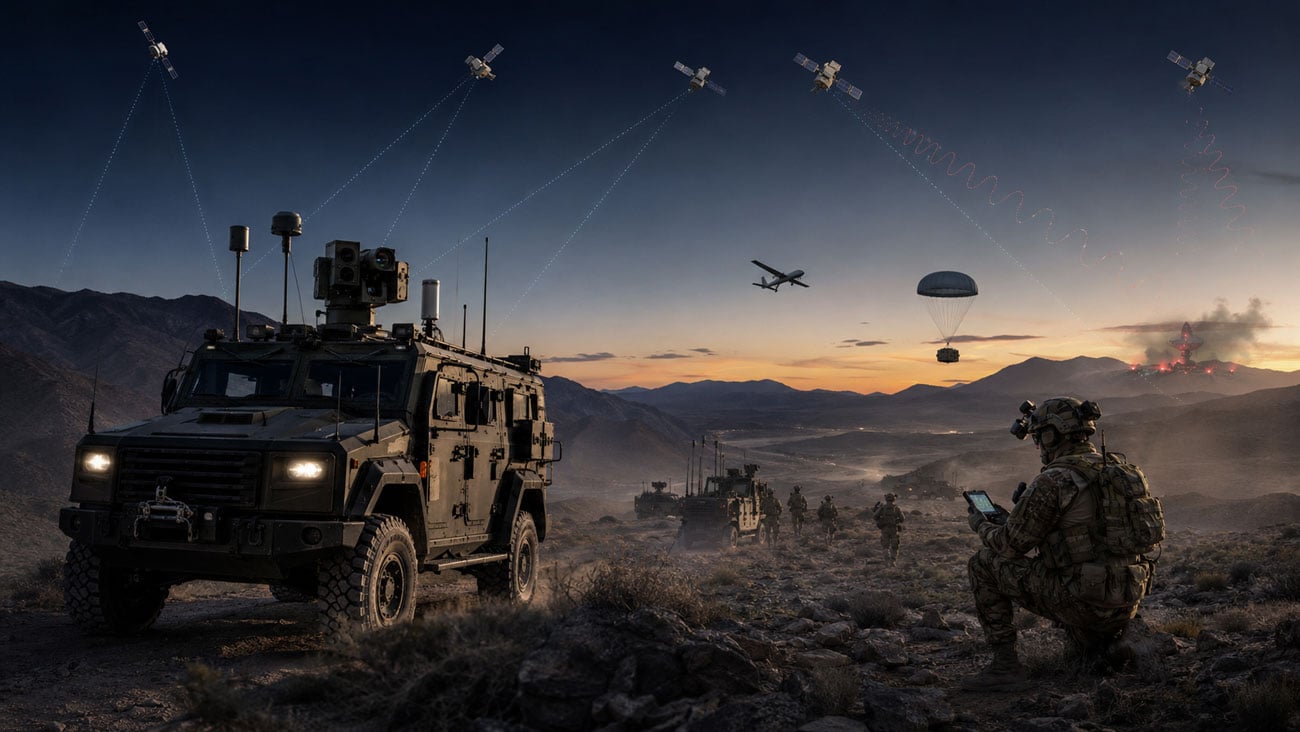
U.S. military forces conducting networked desert operations with tactical vehicles, satellites, unmanned aircraft, and connected communications systems at dusk
What Happens When GPS Disappears? Mission Perspectives
August 13, 2026

What Happens When GPS Disappears?

GPS denial is no longer a niche electronic-warfare problem. Positioning, navigation, and timing underpin maneuver, precision fires, networks, autonomous systems, logistics, sensors, and command systems. The Army is already fielding resilient PNT systems while developing modular alternatives, vision-aided navigation, and other non-GPS sources. DARPA is pushing tactical optical clocks that can preserve GPS-grade timing for extended periods without satellite timing.…
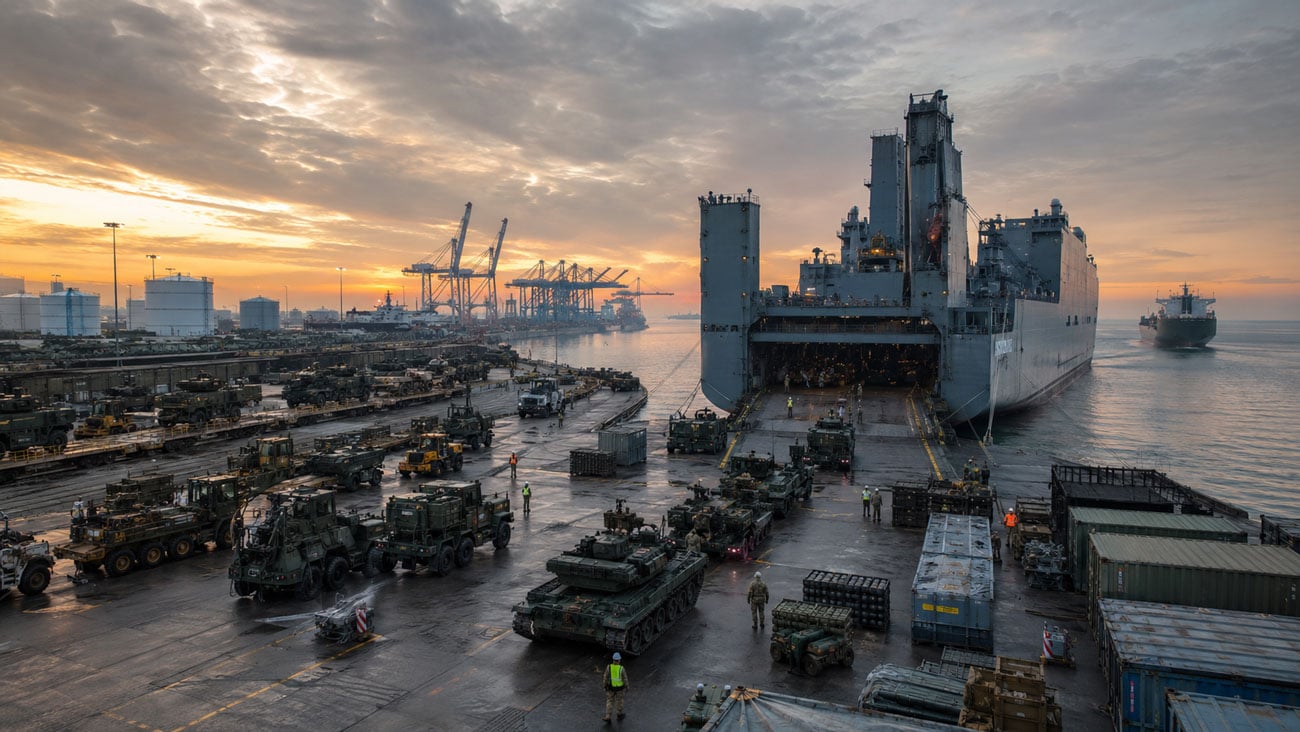
U.S. military vehicles and armored equipment loading onto a strategic sealift ship at a port during large-scale logistics operations
The War Does Not Start at the Port: America’s Strategic Sealift Problem Mission Perspectives
August 13, 2026

The War Does Not Start at the Port: America’s Strategic Sealift Problem

America’s ability to project combat power overseas depends on far more than the number of ships in the sealift fleet. Strategic mobility is a national transportation system linking installations, rail, highways, ports, merchant mariners, commercial carriers, fuel networks, data, and destination infrastructure. In a contested conflict, the decisive question is not how much lift exists on paper—it is how much…
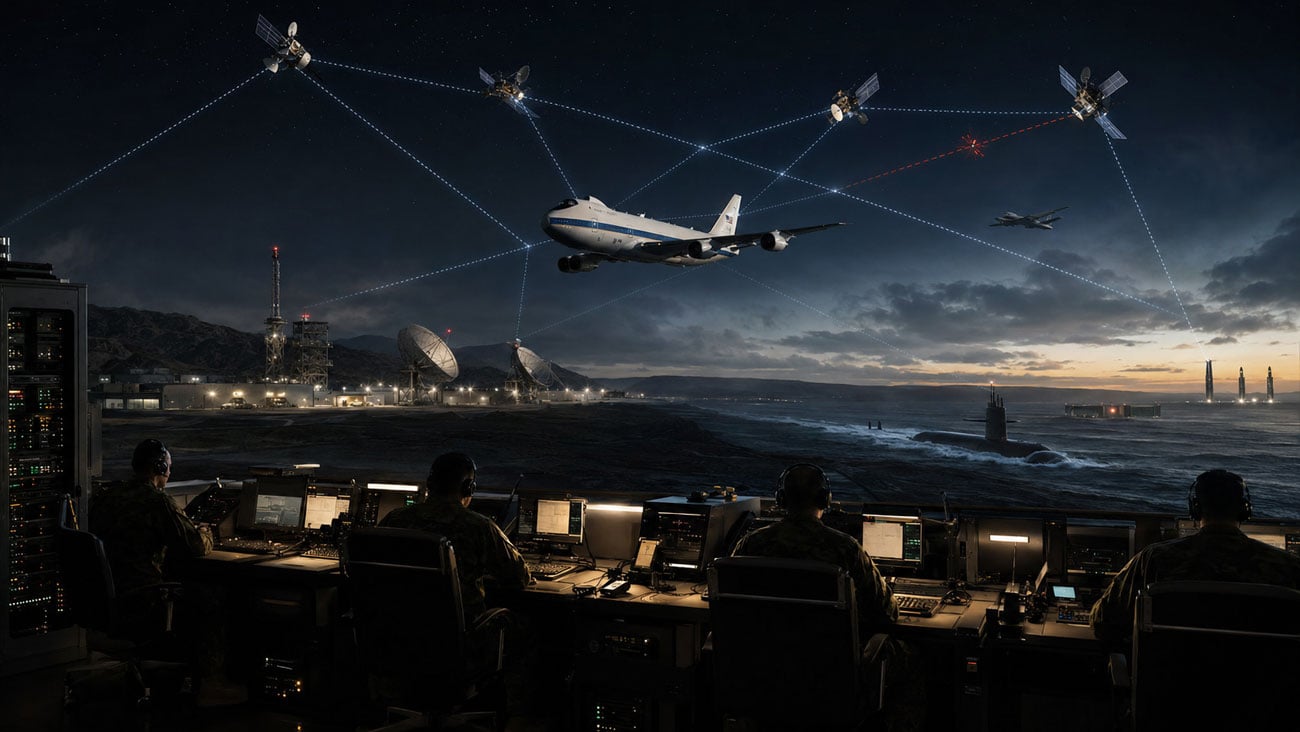
Military command operators monitoring a networked battlespace connecting satellites, aircraft, naval forces, and ground communications systems at night
Nuclear Deterrence Is a Network, Not Just a Triad Mission Perspectives
August 13, 2026

Nuclear Deterrence Is a Network, Not Just a Triad

America’s nuclear deterrent is usually described as a triad of submarines, intercontinental ballistic missiles, and bombers. But those platforms depend on a less visible system: the warning sensors, satellites, airborne command posts, ground stations, software, networks, procedures, and people that allow national leadership to understand an attack, make a decision, communicate authenticated orders, and retain control of strategic forces. Modernizing…
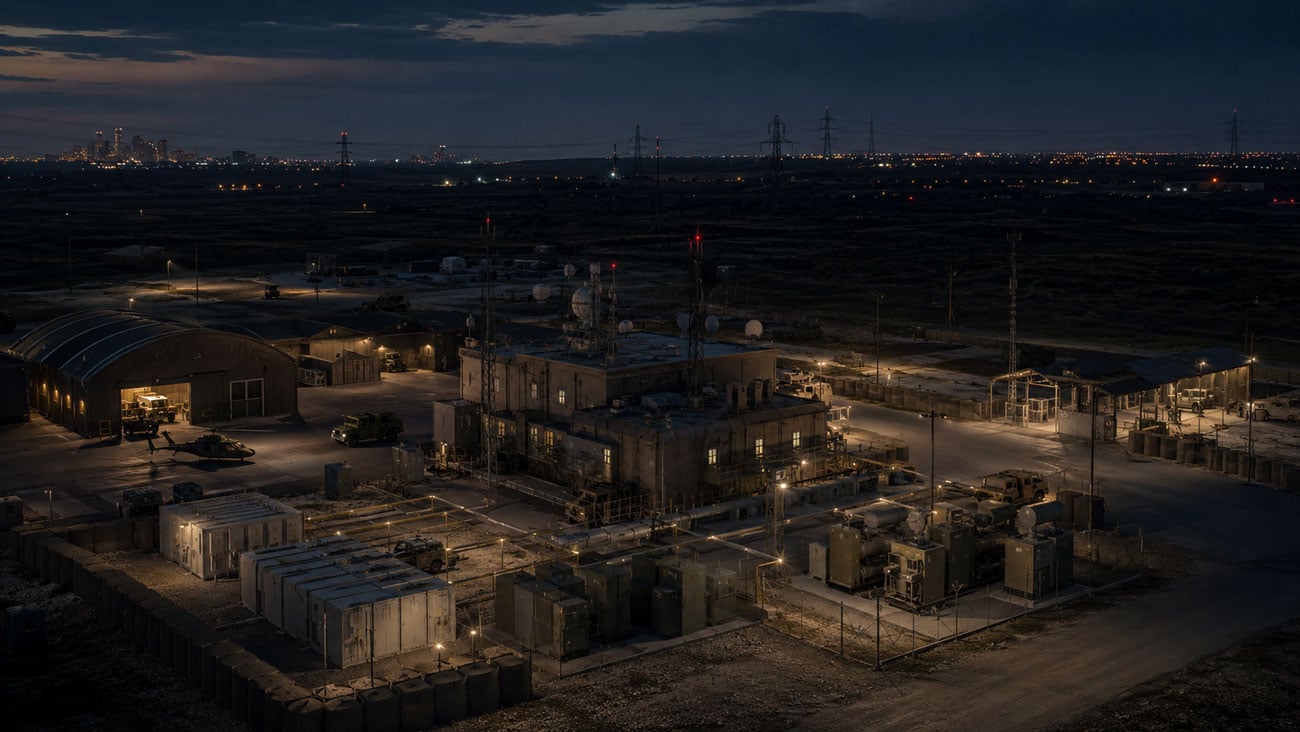
Nighttime military compound overlooking city lights with secure facilities, communications infrastructure, and personnel supporting defense operations
Power Is a Weapon System: Why Installation Energy Resilience Is Becoming Mission Assurance Mission Perspectives
August 13, 2026

Power Is a Weapon System: Why Installation Energy Resilience Is Becoming Mission Assurance

Military installations are operational systems, and nearly every mission they host depends on electricity. In 2026, the Army moved installation energy resilience deeper into the readiness architecture through 14-day islanding requirements, microgrids, long-duration storage, advanced nuclear programs, and private-sector power partnerships. The strategic shift is clear: resilient power is no longer simply a facilities function. It is becoming mission assurance.…
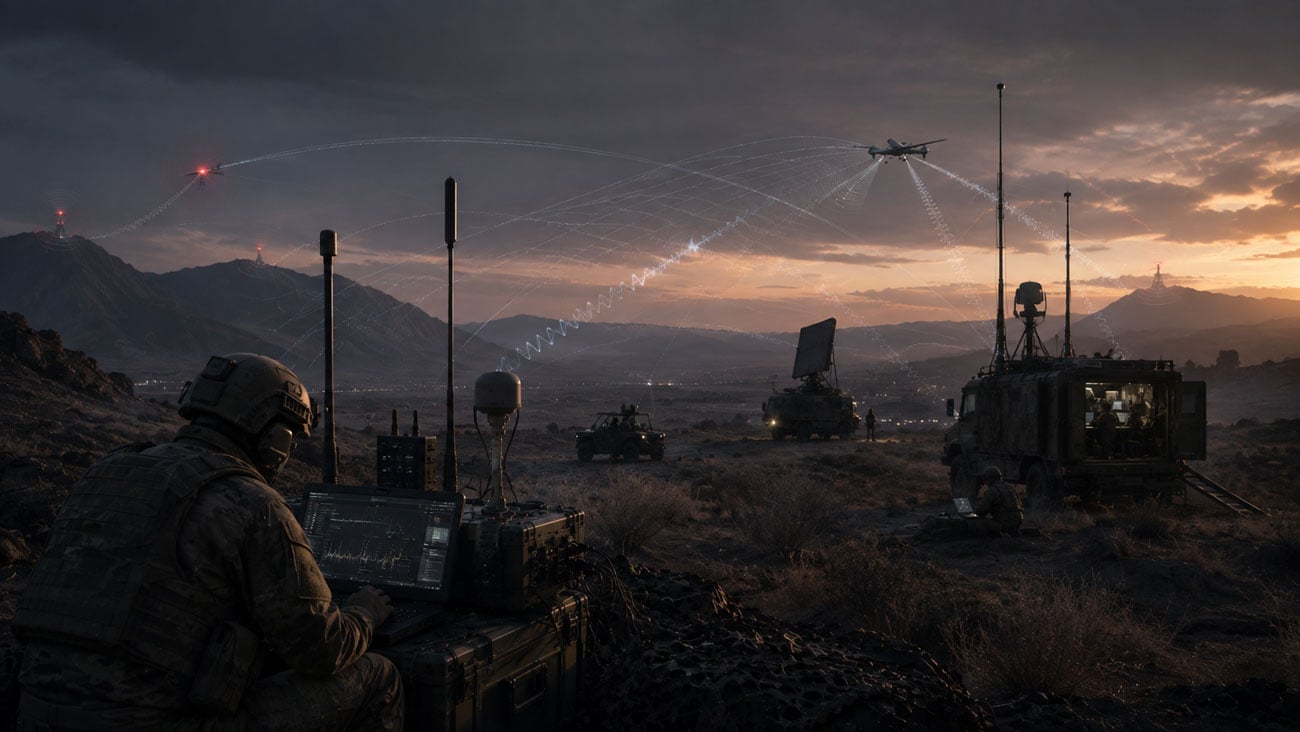
U.S. military communications outpost in a desert battlefield with tactical antennas, satellite systems, vehicles, and networked command equipment
The Invisible Battlespace: Why Spectrum Maneuver Is Becoming a Core Combat Function Mission Perspectives
August 13, 2026

The Invisible Battlespace: Why Spectrum Maneuver Is Becoming a Core Combat Function

Modern forces cannot communicate, navigate, sense, target, or coordinate without access to the electromagnetic spectrum—and every transmission can also expose them. In 2026, the Army began fielding near-real-time spectrum-awareness tools, prototyping modular electronic-warfare systems, and integrating the electromagnetic operating picture into Next Generation Command and Control. The shift is larger than better jammers: the spectrum is becoming maneuver space that…
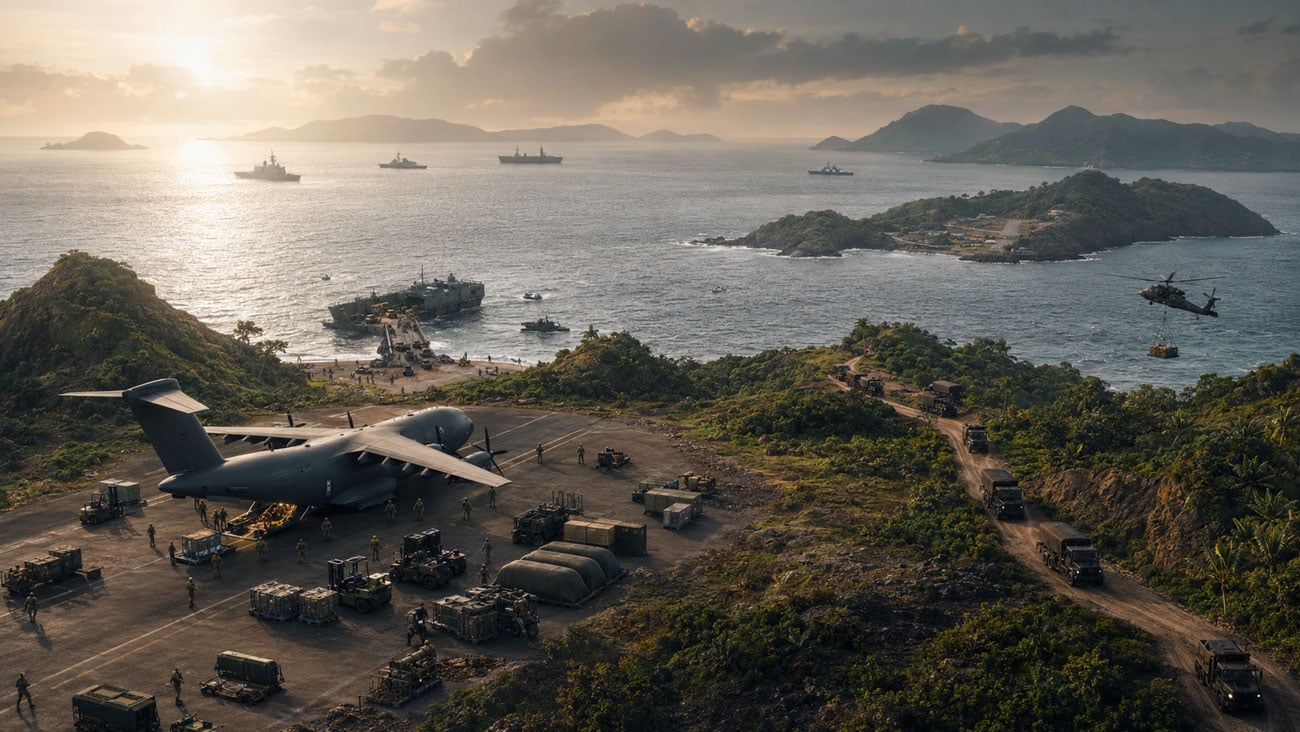
U.S. military logistics operations across the Indo-Pacific with cargo aircraft, naval vessels, tactical vehicles, and distributed island supply hubs
The Pacific Logistics Problem: Deterrence Depends on What Can Be Sustained After Day One Mission Perspectives
August 13, 2026

The Pacific Logistics Problem: Deterrence Depends on What Can Be Sustained After Day One

The Indo-Pacific turns logistics into a combat function. Distance, dispersion, limited infrastructure, contested communications, and vulnerable ports and airfields mean deterrence depends not only on what the United States can deploy on day one, but on what a joint and allied force can keep fueled, armed, repaired, connected, and moving after weeks of disruption. Recent 2026 exercises show the logistics…
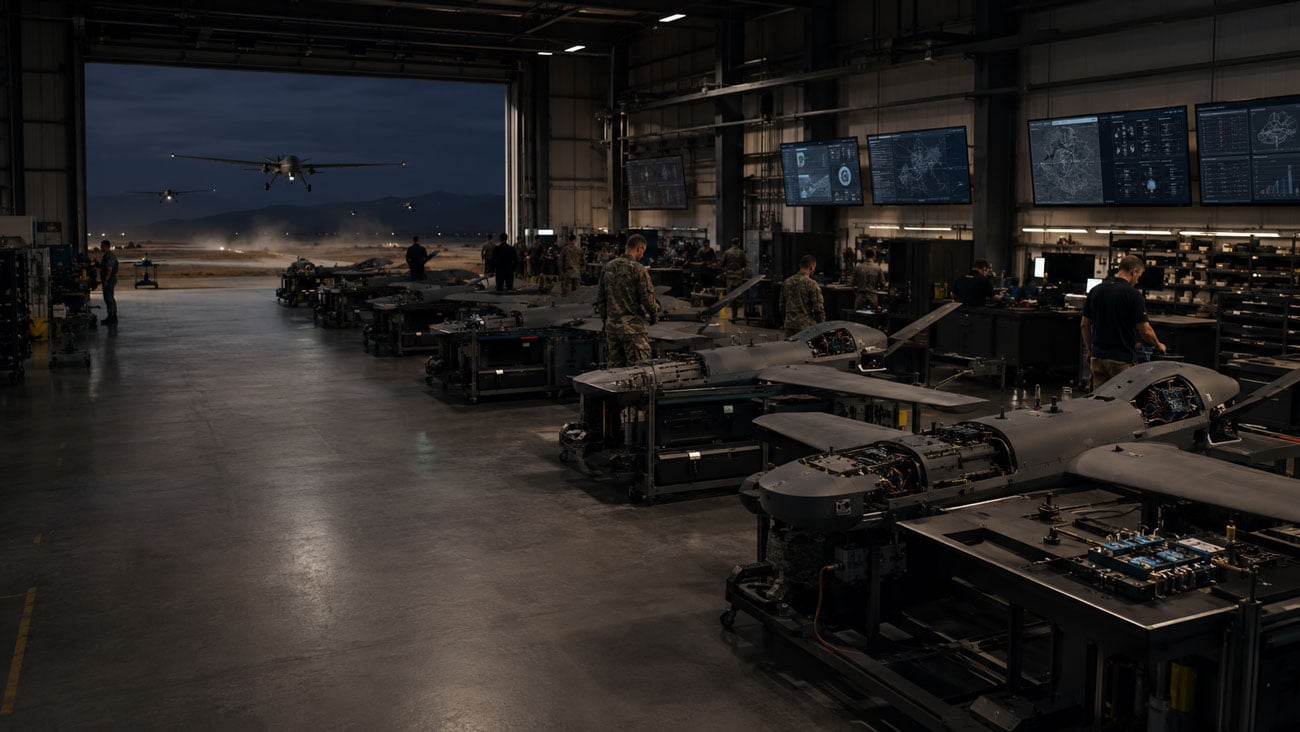
U.S. military drones and autonomous aircraft moving through an advanced defense manufacturing facility built for high-volume unmanned systems production
Drone Dominance Is Becoming an Industrial Problem, Not Just a Technology Problem Mission Perspectives
August 13, 2026

Drone Dominance Is Becoming an Industrial Problem, Not Just a Technology Problem

The Pentagon is moving drone warfare from prototype culture toward industrial scale. The 2026 Drone Dominance program is buying tens of thousands of low-cost systems, testing vendors under repeated competitive gauntlets, and reorganizing unmanned capabilities under a single portfolio structure. The next advantage will not come from the most sophisticated drone alone. It will come from the military-industrial system that…